Gradient Flower with Leaves
As an embroidery designer and product reviewer, I often find myself evaluating new designs for real-world use. The Gradient Flower with Leaves embroidery design caught my attention not just for its aesthetic appeal but for how it could fit into a variety of projects. From custom apparel to personalized gifts, this design offers versatility, but it also comes with considerations that every embroiderer should be aware of before committing to a project.
First Impressions: A Soft, Elegant Statement
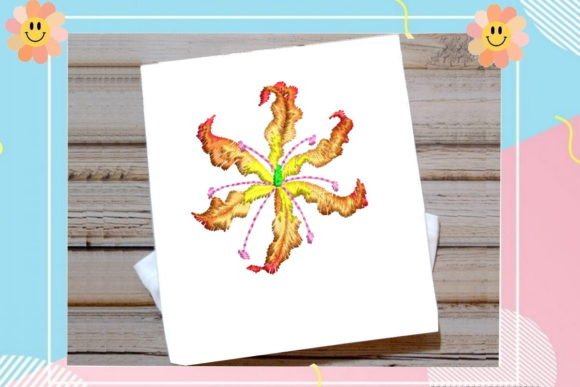
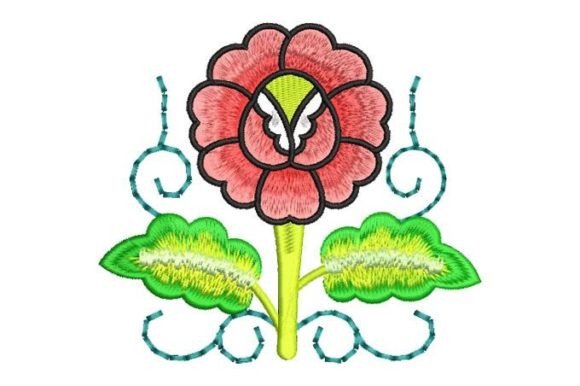
The Gradient Flower with Leaves immediately gives off a calm, refined vibe. The soft transitions in color and the delicate detailing make it ideal for projects that aim to evoke a sense of grace and nature. The layout is balanced, with the flower centered and leaves radiating outward, creating a natural flow that feels both intentional and organic.
This design would naturally belong in a collection of single flowers and plants, especially those meant for personal or boutique use. It’s perfect for items like baby clothes, wedding favors, or holiday decorations where a subtle yet elegant touch is desired.
Real-Life Embroidery Scenarios: Where It Shines
I’ve used Gradient Flower with Leaves on several fabrics, from cotton tote bags to sweatshirts, and it consistently delivers a polished look. On light-colored materials, the gradient effect is most visible, making it a great choice for tote bag designs or embroidered patches that need to stand out without being overwhelming.
For custom apparel, this design works well as a focal point on t-shirts or sweatshirts. The detail level is high enough to show off the gradient, but not so intricate that it becomes difficult to stitch. It’s also a solid choice for baby items, where softness and simplicity are key.
In commercial embroidery settings, the design holds up well, especially when paired with proper stabilizer and thread color contrast. It’s a good fit for small shop products, Etsy listings, or craft fair items that require a professional finish without sacrificing artistic flair.
Where to Be Cautious: Design Limitations
While Gradient Flower with Leaves is versatile, there are some situations where it may not perform as expected. On small hoop sizes, the design might feel cramped, especially if you're trying to stitch it in one go. This can lead to misalignment or uneven stitching, so it’s best to break it into sections if necessary.
Textured fabrics or thin, stretchy materials can also pose challenges. The design relies on smooth surfaces to show off its details, and on something like a knit fabric, the gradient may not come through as clearly. Dark fabrics can also dull the visual impact, so testing on different backgrounds is essential.
For curved surfaces like caps or hats, the design may require some adjustment to ensure it sits correctly. Tiny lettering or dense stitch areas near the edges can become distorted, so careful planning is needed for these types of projects.
Impact on Visual Appeal and Customer Perception
Gradient Flower with Leaves adds a level of sophistication to any finished product. Its clean lines and gentle shading make it highly recognizable, which is great for brand consistency and handmade presentation. Customers often respond positively to designs that feel unique yet approachable, and this one checks both boxes.
When used effectively, it can elevate the perceived value of a product, whether it's a custom apron, a holiday gift, or a digital embroidery file for sale. It also enhances buyer engagement by offering a visually appealing option that stands out in a crowded market.
Practical Designer Notes: What to Check Before Using
Before finalizing any project with Gradient Flower with Leaves, I recommend testing it on scrap fabric first. This helps you see how the gradient looks on your chosen material and whether the stitch density is appropriate. Checking thread color contrast is also important—especially if you're using dark or patterned fabrics.
Confirming the correct hoop size is crucial, as using the wrong one can lead to poor results. Inspecting small details, like the corners of the leaves, ensures that nothing gets lost in the stitching process. Testing the design in black and white mockups can also help you visualize how it will look on different backgrounds.
Lastly, always check the licensing terms if you plan to sell finished items or digital products. Even though the design is described as “beautifully embroidered on any type of fabric,” specifics about commercial use, file formats, and machine compatibility should be verified before proceeding.
Final Thoughts: A Design Worth Considering
Gradient Flower with Leaves is a thoughtful, well-structured embroidery design that has a lot to offer. It’s suitable for a wide range of projects, from personalized gifts to commercial merchandise, as long as you take the time to test and adapt it to your specific needs.
If you’re looking for a design that balances elegance with practicality, this one is worth exploring. Just remember to approach it with the same care and attention you’d give any other embroidery project—especially when working with delicate fabrics, complex layouts, or high-stakes client work.