Delicate Flower Embroidery Review
As an embroidery designer and product reviewer, I’ve evaluated countless machine embroidery designs. Delicate Flower stands out for its elegance and versatility, but it’s not a one-size-fits-all solution. This review dives into how the design performs in real projects, what to watch for, and where it shines best.
The First Impression: A Soft, Timeless Design
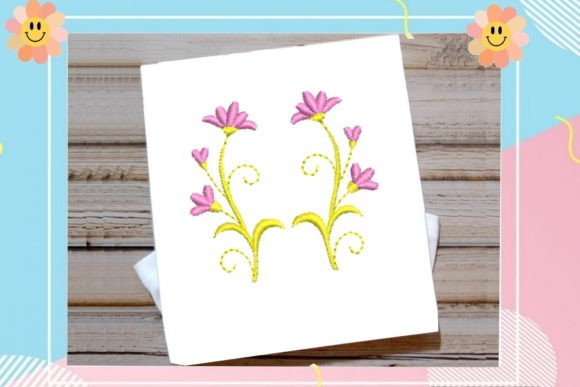
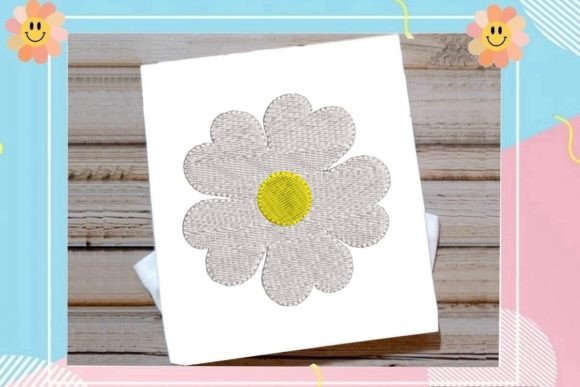
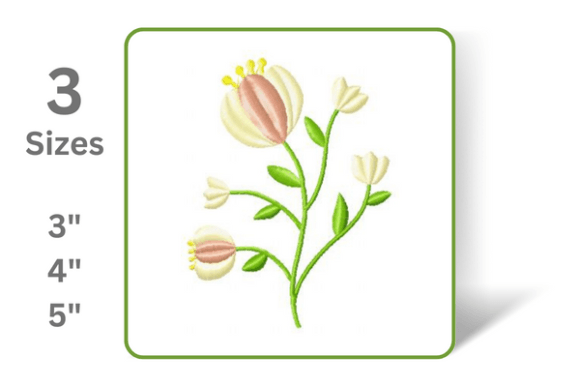
Delicate Flower immediately evokes a sense of calm and refinement. The design features a soft, flowing shape with intricate petal details that suggest a hand-painted or natural motif. Its layout is balanced, making it suitable for both centered and asymmetrical placements. The theme feels classic yet modern, perfect for a wide range of applications.
This design is ideal for embroidery projects that aim to add a subtle touch of beauty without overwhelming the fabric. It’s not overly complex, which means it can be stitched on a variety of fabrics without requiring excessive time or technical skill.
Real-World Use Cases: Where Delicate Flower Thrives
Imagine you’re working on a custom embroidered tote bag for a client who wants something elegant yet practical. Delicate Flower would work well as a small accent near the top of the bag, adding a personal touch without distracting from the overall design. It could also serve as a standout feature on a pillow cover or a tea towel, bringing a soft, artistic element to home decor.
For baby items, this design offers a gentle, non-intrusive look that fits well with nursery themes. It could be used on onesies, blankets, or burp cloths—ideal for parents who want a subtle, lasting memory of their child’s early days.
In the realm of personalized gifts, Delicate Flower makes a great choice. Whether it’s a custom sweatshirt for a friend or a holiday ornament, the design adds a thoughtful, handmade quality that resonates with recipients.
Challenges and Considerations: When to Be Cautious
While Delicate Flower is beautiful, it’s not without limitations. On small hoop sizes, the design might feel cramped, especially if the petals are too close together. This could lead to stitching issues or a less polished finished product.
Textured fabrics or thin materials may cause the design to lose some of its detail. Stretchy or dark fabrics can also affect how the thread colors stand out, so it’s important to test the design on your intended material before committing to a larger project.
If you’re planning to use this design on curved surfaces like caps or on layered garments, you’ll need to ensure that the hoop size and stabilizer support the design’s structure. Tiny details, such as the edges of petals, may require extra attention during the stitching process.
Impact on Visual Appeal and Customer Perception
When executed well, Delicate Flower enhances the visual appeal of any project. Its clean lines and soft curves make it easy to integrate into existing designs, whether you're creating a standalone embroidered patch or a background element in a more complex composition.
Stitching clarity is key here. If the design is too dense or the stitch density is off, it can appear muddy or unprofessional. Ensuring proper thread color contrast and using the right stabilizer will help maintain the design’s integrity.
From a business perspective, this design can elevate the value of your handmade products. Customers often associate intricate embroidery with quality and care, which can increase trust and encourage repeat purchases. It also helps with brand consistency, especially if you’re building a collection of floral-themed items.
Practical Designer Notes: How to Get the Best Results
Before using Delicate Flower on a final project, always test it on scrap fabric. This will help you understand how the design interacts with different materials and how the thread colors look against various backgrounds.
Check the stitch density and adjust it if necessary. Too much density can cause puckering, while too little can result in a weak appearance. Also, confirm the hoop size required for the design to ensure it fits your machine and project needs.
Inspect small details carefully, especially if you plan to use the design for commercial purposes. Make sure it looks good in black and white mockups, as this can reveal issues that aren’t obvious in color.
Lastly, verify the licensing terms if you intend to sell finished products or digital embroidery files. Even though the product description states that it can be used on any fabric, it’s always wise to double-check before moving forward.
Conclusion: A Versatile, Thoughtful Design
Delicate Flower is a design that works best when thoughtfully applied. It’s not a flashy or bold choice, but its subtlety and elegance make it a valuable addition to any embroidery file library. Whether you’re a small shop owner, an Etsy seller, or a hobbyist, this design has the potential to enhance your creative offerings when used correctly.
By considering the practical aspects of stitching, fabric compatibility, and design placement, you can maximize the impact of Delicate Flower in your projects. With the right approach, it can become a go-to choice for a wide range of handmade and commercial embroidery applications.